When the Wilson family in Sacramento decided to transform their backyard into a true outdoor retreat, they didn’t expect their biggest debate would come down to decking material showdown. After years of repairing warped boards and resealing faded planks, they knew wood was out. The real question became—which composite option could handle both the California sun and a household full of kids?
A Family’s Dilemma: Durability vs. Design
Like many homeowners, the Wilsons wanted a deck that looked like wood but performed better. Their contractor introduced them to two top brands: Fiberon and Trex. Each promised long-term durability, fade resistance, and low maintenance—but offered distinct advantages.
For active families, Trex’s capped design can handle spills, toys, and furniture movement without losing its color. Fiberon, on the other hand, offered a richer texture and slightly more traction for little feet running around barefoot.
The Wilsons loved both, but with two energetic children and a Labrador retriever, scratch resistance became the deciding factor.
Testing the Boards in Real Life
Their contractor suggested a trial: leave a few sample planks in the sun for a week and test for heat, color, and texture. The results surprised them. While both fiberon and trex boards stayed cooler than pressure-treated lumber, Fiberon’s denser surface held up better against paw scratches and spilled lemonade.
Trex, however, maintained its elegant finish and didn’t fade even under intense summer sunlight. It was clear both could last—but each excelled in a different way.
The Aesthetic Factor
Design harmony mattered to the Wilsons. Their home’s contemporary lines and light-gray stucco leaned toward Trex’s sleek tones. Yet, the rustic charm of Fiberon’s natural woodgrain tugged at their sense of comfort.
Their decision wasn’t easy. For the Wilsons, this wasn’t just about decking—it was about creating a space where family gatherings, Sunday barbecues, and homework sessions could happen outdoors.
Balancing Budget and Maintenance
The family’s budget was tight after remodeling the kitchen, so affordability came into play. Fiberon’s mid-range price point fit comfortably within their spending limit, while Trex’s higher-end line required stretching the budget. Their builder reminded them that both options would outlast traditional wood by decades and need almost no maintenance—no splintering, sanding, or staining ever again.
Finishing Touches Indoors and Out
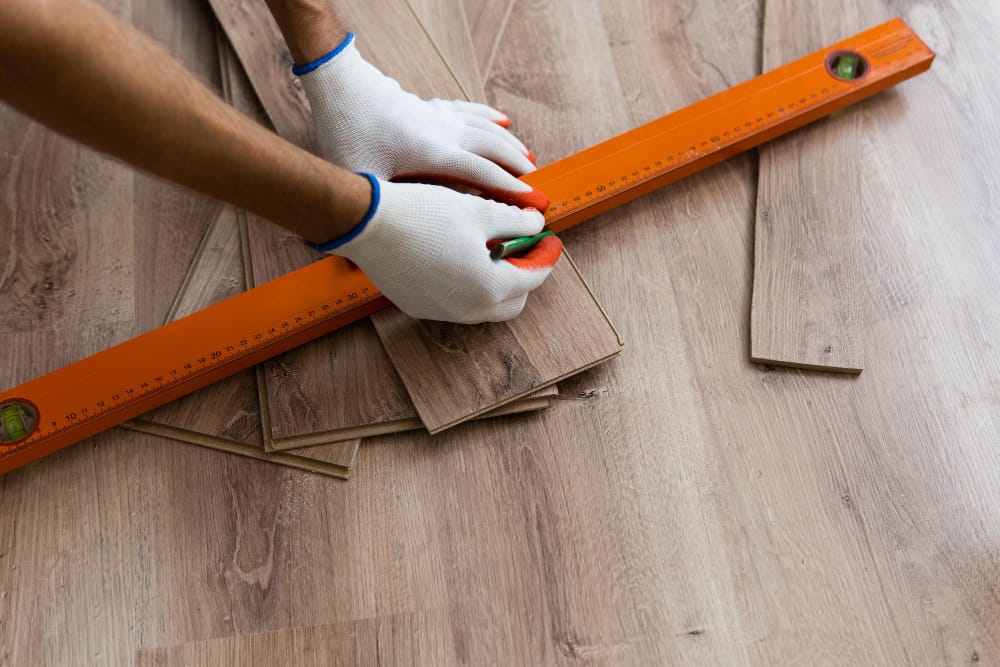
Inspired by their outdoor project, Mrs. Wilson decided to refresh their living room with do-it-yourself wood parquet flooring. The pairing of indoor parquet patterns with an outdoor composite deck gave the home a seamless transition—classic craftsmanship inside, modern performance outside.
The Final Decision
Ultimately, the Wilsons chose Fiberon. Its texture and slight cost savings aligned perfectly with their family’s priorities. Six months later, their backyard had become the neighborhood gathering spot. Friends couldn’t tell it wasn’t real wood, and the deck still looked new after countless cookouts.
Their takeaway? The best deck isn’t just about brand—it’s about fit. Fiberon and Trex both deliver outstanding results, but your family’s lifestyle, design taste, and budget should steer your choice.
Wrap-Up
If you’re weighing these two brands, follow the Wilsons’ example—get samples, test them, and visualize how your family will use the space. Composite decking has come a long way, and whichever path you take, you’ll gain a durable, stylish surface that welcomes life’s everyday moments.